AI Character Generator for Original Character Concepts
Turn a character idea into visual drafts for stories, games, comics, avatars, and creator projects. Describe the look, role, style, mood, and scene, then refine the strongest direction.
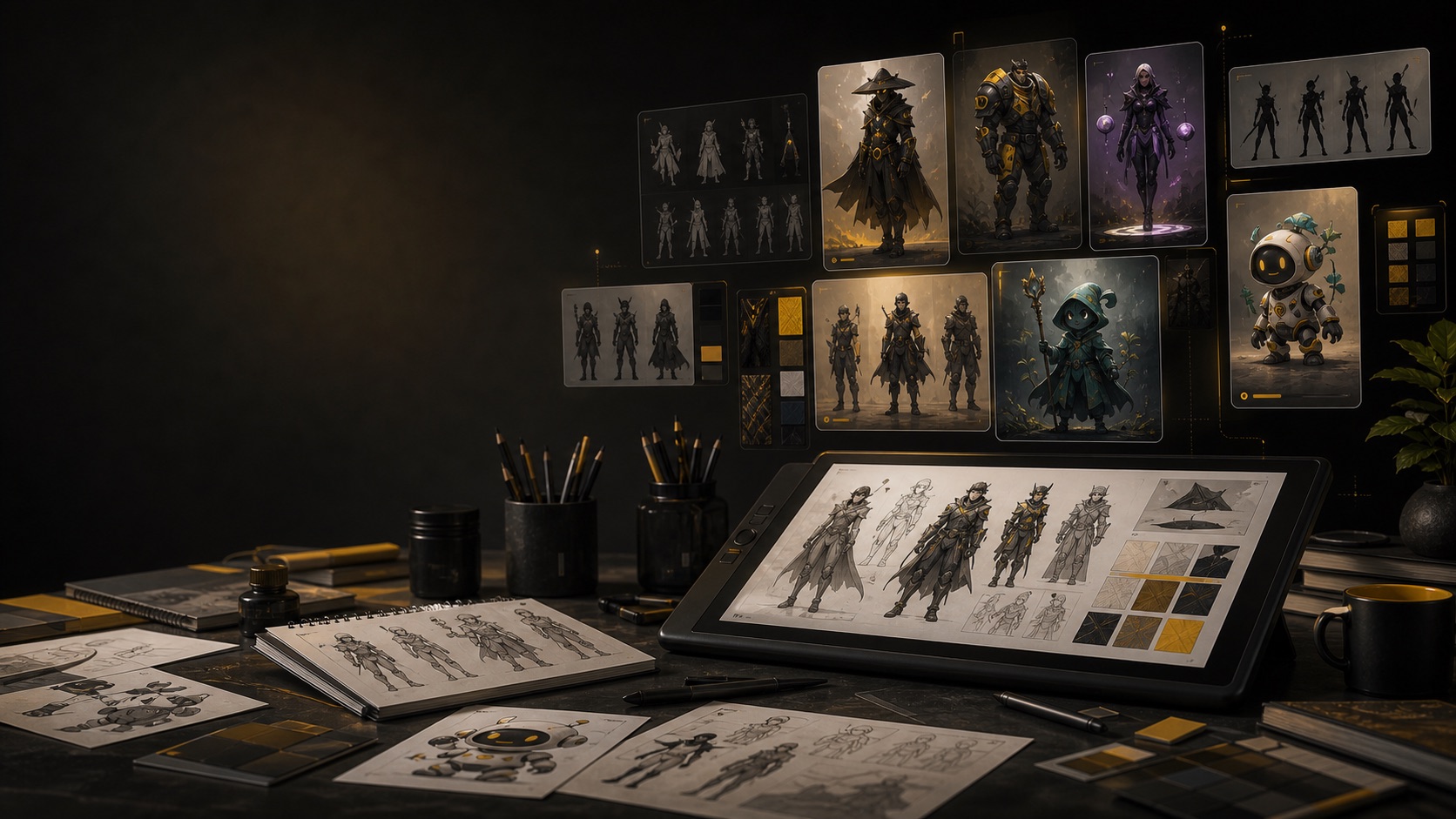
Image Generator
Start a character prompt
Describe appearance, personality, outfit, pose, art style, setting, and use case. You can draft before signing in; generation and credits happen only when you continue.
0 / 2000
Try a prompt:
What an AI character generator should help with
A useful AI character generator helps you make the first visual version of a character faster. It is not only about a beautiful portrait. A character image needs clues about role, personality, costume, body language, world, and story context. Try Banana AI is best used for early character concept work. You can create original character drafts for game ideas, storyboards, comics, tabletop campaigns, avatars, mascots, and creator projects. Start with text-to-image when the idea is still loose, then use reference-based editing when you want to keep a direction and adjust the details. For better character results, write a character brief instead of only a style phrase. Mention the character type, age range, silhouette, outfit, expression, pose, setting, color palette, camera framing, and visual style. If you need a reusable character across a series, save the strongest output and prompt so you can reuse it as a reference for later variations. The practical boundary is important: this page creates character images and concept drafts. It is not an AI companion chat product, and it does not guarantee perfect identity consistency across every generation. Use it to explore, shortlist, and refine visual direction before final art review.
Original character concepts
Draft visual ideas for heroes, villains, mascots, NPCs, avatars, and story characters.
Game and story ideation
Explore character looks for games, comics, tabletop campaigns, storyboards, and creator worlds.
Prompt-first workflow
Start with a clear character brief, then iterate pose, costume, expression, background, and style.
Transparent credits
See the generation cost before spending credits, so character exploration stays predictable.
Why creators use an AI character generator
Character design often starts with many rough directions before one identity starts to feel right. AI helps you explore silhouettes, outfits, moods, and worlds quickly.
Move from vague idea to visual direction
A short character note can become several visual options in minutes. This is useful when you know the role, mood, or world, but you have not decided the exact outfit, expression, or silhouette yet.
Compare style and personality
The same character brief can feel very different as anime art, cinematic concept art, cozy 3D, comic-book illustration, or realistic portrait. Testing styles early helps you pick a direction before polishing details.
Reuse stronger drafts as references
Once a result works, save the image and prompt. Use them as a reference when you want alternate outfits, poses, backgrounds, or social avatar crops without fully restarting.
How to use the AI character generator
Use this workflow to get cleaner character drafts and reduce wasted credits from vague prompts.
Write the character brief
Start with role, world, personality, age range, outfit, expression, pose, and use case. For example: fantasy ranger, calm protector, forest cloak, full-body concept art, game character sheet mood.
Choose framing and style
Specify portrait, half-body, full-body, character sheet, avatar crop, or scene illustration. Add the style only after the character identity is clear.
Generate focused variations
Change one thing at a time: costume, pose, color palette, expression, background, or art style. This makes the results comparable instead of random.
Refine with a reference
When one draft feels right, keep it and use image-to-image for controlled edits. Preserve the face, silhouette, or outfit while changing only the parts that need improvement.
AI character generator features
Try Banana AI keeps character generation focused on practical creative workflows: prompt drafts, reference edits, predictable credits, and reusable results.
Text-to-character drafts
Generate character concept images from a brief about role, look, costume, pose, style, and world.
Portrait and full-body ideas
Explore avatar crops, portrait concepts, full-body designs, mascot ideas, and scene illustrations.
Style exploration
Try cinematic, anime, comic, game art, cozy 3D, realistic, or illustrative directions.
Reference-based refinement
Use a saved draft as a reference when you want to adjust outfit, background, pose, or lighting.
Credit-based generation
Know the cost before generating and use subscriptions or packs when you need more volume.
History and downloads
Keep useful character drafts, reuse prompts, and download images for review or production planning.
Pricing
Start with a subscription or buy credits when you need them.
Starter
Includes
- 1,000 credits / month
- Advanced image + video models
- Image + Video generation
- Standard support
Creator
Includes
- 2,500 credits / month
- Advanced image + video models
- Image + Video generation
- Priority support
Agency
Includes
- 7,500 credits / month
- Advanced image + video models
- Image + Video generation
- Team-friendly usage
AI Character Generator FAQ
Clear answers about character prompts, consistency, references, credits, and safe commercial review.
Create your next AI character draft
Write a focused character brief, generate visual directions, and refine the strongest concept into a reusable creative asset.